
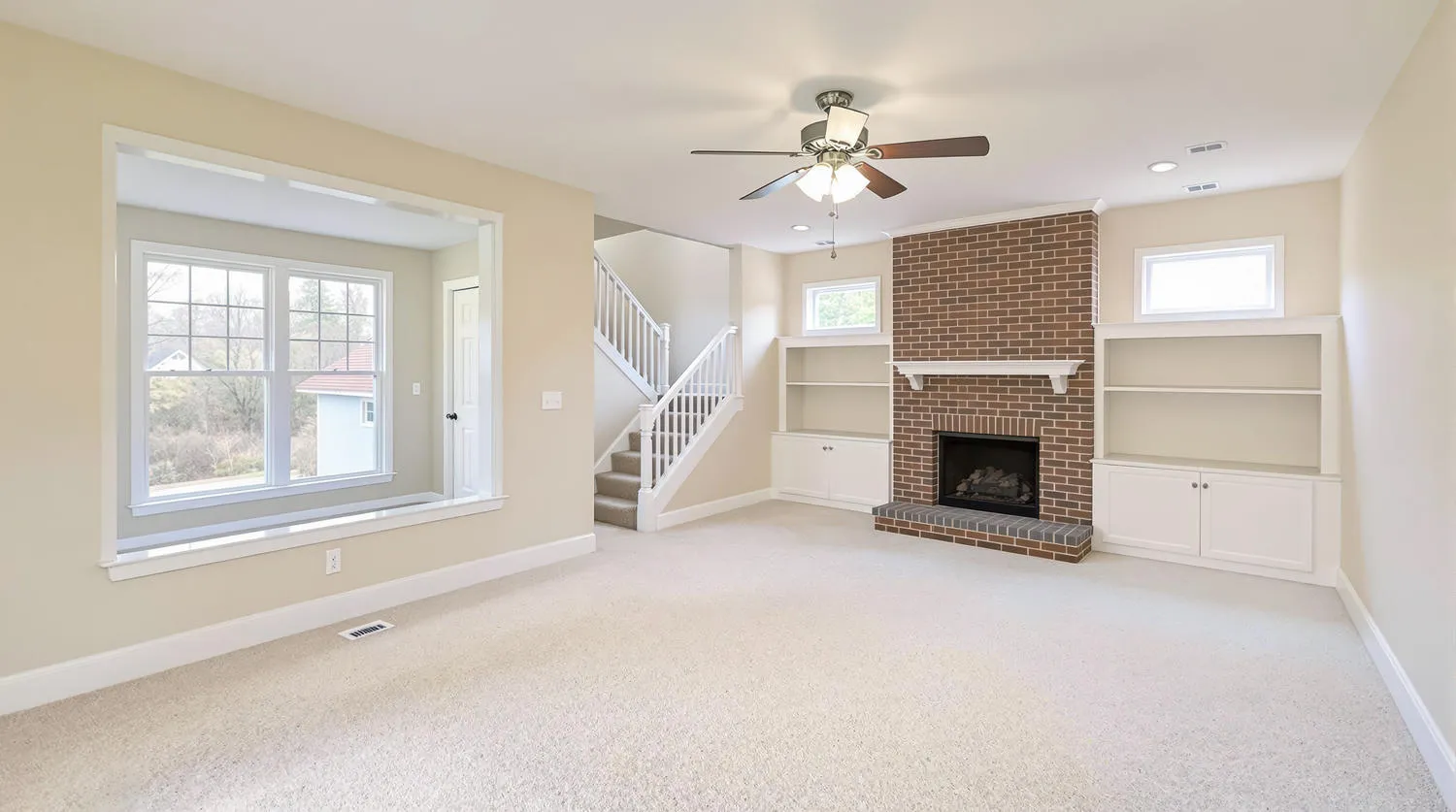
Your Complete Property Preparation Checklist
Step 1: Assess Your Property’s Current Condition
Before a property appraiser steps through your door, you need to understand what they will see. A divorce appraisal is not simply a formality. It establishes the fair market value of your home, which directly impacts the financial settlement. Preparation begins with a clear-eyed assessment of your property’s current condition, both inside and out.
Walk through your home as if you were seeing it for the first time. Start at the curb. Does the exterior paint show Michigan winter damage? Are gutters clogged or sagging? In Plymouth and surrounding areas, freeze-thaw cycles can crack driveways, damage siding, and wear down roofing materials. A house appraiser will notice these details, and they can affect your property value estimator results.
Move indoors and examine each room with a critical eye. Look for scuff marks on walls, outdated fixtures, worn carpeting, or signs of deferred maintenance. Open and close doors and windows to ensure they function properly. Check for water stains on ceilings or walls, which can signal larger issues. A real estate appraiser will document visible defects, and unresolved problems can lower your appraisal value.
Take notes as you go. Create a simple checklist that categorizes issues into three groups: immediate repairs (safety or function), cosmetic updates (paint, flooring), and long-term concerns (roof age, HVAC system). This list becomes your roadmap for the next steps. Understanding what appraisers prioritize allows you to address the most impactful items first, maximizing the accuracy and fairness of your property appraisal.
Step 2: Address Deferred Maintenance Before the Appraisal
Once you have identified issues during your assessment, the next step is to address them strategically. Not every repair will yield the same return, and your goal is not to renovate. Your goal is to present your home in its best functional and aesthetic condition so the property appraiser can assign an accurate value.
Start with structural and mechanical systems. If your furnace is overdue for service, schedule a professional inspection and maintenance visit. Michigan winters are harsh, and a well-maintained HVAC system signals responsible homeownership. Similarly, address any plumbing leaks, faulty electrical outlets, or malfunctioning appliances. These items directly affect livability and will be noted during the appraisal services walkthrough.
Next, tackle cosmetic repairs that improve visual appeal without breaking your budget. Patch and paint walls in neutral tones. Replace cracked tiles, torn screens, or broken cabinet hardware. Clean or replace worn carpeting in high-traffic areas. In Plymouth-area homes, older properties often have outdated fixtures or wallpaper. Removing dated elements and refreshing surfaces can make a significant difference in how your home is perceived.
Do not overlook exterior maintenance. Power-wash siding, clean windows, and trim overgrown shrubs. Repair or replace damaged gutters and downspouts. If your driveway has cracks or your walkway is uneven, consider affordable patching solutions. Curb appeal matters. A house appraiser begins forming an impression the moment they arrive, and a well-maintained exterior suggests a well-maintained interior. Addressing these items demonstrates care and can positively influence your property tax assessment and final appraisal value.
Step 3: Gather Documentation and Improvement Records
A divorce appraisal relies on more than what an appraiser can see during a walkthrough. Documentation provides context and supports the value of your property. Gathering records in advance demonstrates preparation and can help ensure that improvements and upgrades are properly credited in the final appraisal report.
Start by locating receipts, invoices, and warranties for any major improvements or repairs completed during your ownership. This includes new roofing, HVAC system replacements, kitchen or bathroom remodels, flooring upgrades, and energy-efficient windows. A real estate appraiser will ask about the age and condition of key systems. Having documentation ready allows you to provide accurate answers and substantiate your claims.
Compile records related to property tax assessments and prior appraisals. If you refinanced your home or obtained an fha appraisal in the past, those reports can offer useful benchmarks. If you filed a property tax appeal, include that documentation as well. These records help establish a timeline of value and can highlight any discrepancies that need to be addressed.
In Michigan, seasonal maintenance is a fact of life. If you replaced your water heater, serviced your sump pump, or upgraded insulation, document it. These may seem like minor details, but they contribute to the overall condition and functionality of your home. Organize your records in a binder or digital folder, and make copies available to the appraiser upon request. This level of preparation signals professionalism and helps the property appraiser complete a thorough, accurate evaluation. It also protects your interests by ensuring that no value-adding improvement is overlooked.
Step 4: Stage Your Home to Maximize Appraised Value
Staging is not just for selling. When preparing for a divorce appraisal, strategic staging helps the property appraiser see your home at its best. The goal is to create a clean, neutral, and organized environment that allows the appraiser to focus on the property itself, not on clutter or personal belongings.
Begin by decluttering every room. Remove excess furniture, personal items, and anything that makes spaces feel cramped or chaotic. In Plymouth-area homes, basements and garages often accumulate seasonal gear, holiday decorations, and storage overflow. Clear these areas as much as possible. A house appraiser will assess usable square footage, and a cluttered basement or garage can create a negative impression.
Deep-clean your home from top to bottom. Scrub floors, wipe down baseboards, clean light fixtures, and wash windows inside and out. Pay special attention to kitchens and bathrooms, as these spaces heavily influence value. Remove odors from pets, cooking, or mustiness. In Michigan, older homes may retain dampness or mildew smells, especially in basements. Use dehumidifiers, air fresheners, or professional cleaning services if needed. A fresh, clean home signals pride of ownership.
Enhance curb appeal with simple, low-cost improvements. Mow the lawn, edge walkways, plant seasonal flowers, and ensure your house numbers are visible. If your appraisal is scheduled in winter, clear snow from walkways and driveways promptly. First impressions matter, and a tidy exterior sets a positive tone. Inside, open curtains to maximize natural light, turn on lamps, and set the thermostat to a comfortable temperature. These small touches create an inviting atmosphere and help the real estate appraiser complete their work efficiently and accurately.
Step 5: Prepare for the Appraisal Walkthrough Day
The day of the appraisal is the culmination of your preparation. Understanding what to expect and how to facilitate the process will help ensure a smooth, accurate evaluation. A divorce appraiser needs access to your entire property, and your cooperation can make a meaningful difference.
Confirm the appointment time and ensure that someone is available to provide access. If you have pets, secure them in a separate room or arrange for them to be out of the house. Unlock gates, sheds, and garage doors. The property appraiser will need to inspect the exterior, including any outbuildings or detached structures. In Plymouth and surrounding areas, many homes have finished basements, attics, or bonus rooms. Ensure these spaces are accessible and well-lit.
Prepare a copy of your documentation and leave it in a visible location, such as the kitchen counter. Include your organized records of improvements, receipts, and any relevant prior appraisal reports. While the appraiser may not need everything, having it available demonstrates thoroughness and allows them to reference it if questions arise.
During the walkthrough, remain available but do not hover. The house appraiser will measure rooms, take photographs, and note details about your home’s condition and features. Answer questions honestly and provide context when appropriate. If you completed a recent repair or upgrade, mention it. However, avoid over-explaining or making unsolicited claims about value. Trust the process.
After the appraiser leaves, follow up with any additional documentation they may have requested. The appraisal report typically takes several days to complete. Once finished, review it carefully and discuss the findings with your legal or financial advisor. A well-prepared home, supported by thorough documentation and strategic staging, positions you for a fair and accurate property appraisal that reflects the true value of your property.